
Rainy weather can create serious problems for homeowners, especially when heavy storms bring large amounts of water toward the foundation. Basement Flooding can damage flooring, walls, furniture, electrical systems, and personal belongings while also creating conditions for mold growth. The good news is that many basement water problems can be prevented with proper preparation, regular maintenance, and professional restoration support. This guide explains practical ways to protect your basement during the rainy season while also helping you understand how drainage, heating systems, and other home systems can affect overall household comfort and safety.
Why Basement Flooding Happens During Rainy Season
Basement flooding usually occurs when rainwater cannot move safely away from the home. Heavy rainfall can overwhelm gutters, downspouts, drainage systems, sump pumps, and surrounding soil. When water collects near the foundation, it can eventually find cracks, gaps, window wells, or other weak points and enter the basement.
Poor grading around the property is another common reason for water intrusion. If the ground slopes toward the foundation instead of away from it, rainwater naturally moves toward the house. Over time, repeated exposure to moisture can weaken certain materials and increase the chance of leaks. Understanding these causes makes it easier to take preventive action before the next major storm arrives.
Inspect Your Foundation Before Heavy Rain
The foundation is one of the most important areas to inspect before the rainy season. Look around basement walls and floors for visible cracks, damp areas, water stains, peeling paint, or unusual odors. Even a small crack can become a pathway for water when heavy rain creates pressure against the foundation.
Pay particular attention to areas around windows, doors, utility openings, and plumbing penetrations. These locations may develop gaps that allow moisture to enter. If you notice recurring moisture or signs of water intrusion, professional inspection can help determine the source before the problem becomes more expensive.
Keep Gutters Clean and Functional
Clean gutters play a major role in protecting the basement. Their purpose is to collect rainwater from the roof and direct it toward appropriate drainage areas. When gutters become filled with leaves, branches, dirt, and other debris, water can overflow and fall directly beside the foundation.
Before rainy weather becomes severe, inspect your gutters and remove accumulated debris. Make sure water flows freely through the system and check for loose sections, damaged areas, or leaking joints. Regular gutter maintenance helps reduce the amount of water reaching the foundation and lowers the risk of basement moisture problems.
Extend Downspouts Away From the Foundation
Even clean gutters cannot protect your basement if downspouts release water directly beside the foundation. Downspouts should direct rainwater far enough away from the home so it can safely disperse across the property.
Check every downspout before the rainy season and make sure extensions are positioned correctly. If water consistently collects near the foundation after storms, consider improving the drainage layout. Moving water away from the house is one of the simplest and most effective ways to reduce the risk of Basement Flooding.
Check the Sump Pump Before Storms
A sump pump can become one of your home’s most valuable defenses against rising groundwater. It collects water from the drainage area beneath or around the basement and moves it away from the foundation. However, a sump pump is only useful when it is working properly.
Test your pump before the rainy season by adding water to the sump pit and confirming that the pump activates and removes the water efficiently. Inspect the discharge pipe as well and make sure it is not blocked or damaged. Homeowners in areas that experience frequent storms may also consider a backup pump or battery backup system for additional protection during power outages.
Improve Drainage Around Your Property
Good drainage helps prevent water from gathering around the foundation. Walk around your home after rainfall and observe where water collects. Areas that remain wet long after the rain stops may indicate drainage problems that deserve attention.
The soil around the foundation should generally guide water away from the structure. If the ground has settled or developed low areas, water may begin moving toward the house. Correcting these drainage concerns can help reduce foundation moisture and protect your basement from repeated water exposure.
Seal Basement Cracks and Entry Points
Small cracks and openings should not be ignored. Water can enter through foundation cracks, gaps around pipes, window frames, and other openings. Sealing suitable cracks and gaps can help reduce moisture intrusion and improve basement protection.
However, recurring water movement through a crack may indicate a larger drainage or foundation concern. Simply covering the visible area may not solve the underlying problem. If water continues to appear after sealing, professional evaluation is a smart next step.
Protect Basement Windows and Window Wells
Basement windows can become vulnerable during heavy rainfall, particularly when window wells collect water. Leaves, dirt, and other debris can block drainage and cause water to remain around the window.
Clean window wells regularly and make sure their drainage areas remain clear. Consider suitable window well covers where appropriate to reduce the amount of rainwater entering the area. Inspect the window seals as well and look for moisture stains or damaged materials around the frames.
Use Water Resistant Basement Materials
The materials inside your basement can influence how much damage occurs if water enters the space. Homeowners who are renovating a basement may want to consider moisture resistant flooring, wall materials, storage solutions, and furniture.
Keeping valuable belongings away from the basement floor can also reduce potential damage. Use elevated shelving for important documents, seasonal decorations, electronics, and other items that could be damaged by water. Smart organization can make cleanup easier if unexpected water enters the basement.
Prepare Before a Major Storm
Storm preparation should begin before dark clouds arrive. Check your gutters, downspouts, sump pump, drainage areas, basement windows, and foundation. Remove outdoor debris that could block drainage paths and make sure important belongings are stored safely.
It is also helpful to know where your home’s main water shutoff is located. Keep flashlights and basic emergency supplies accessible in case severe weather causes a power interruption. A few simple preparations can make a significant difference when heavy rainfall arrives.
Home Maintenance Area and Recommended Action
| Home Area | Recommended Action |
|---|---|
| Gutters | Remove leaves and debris and inspect for damage |
| Downspouts | Direct rainwater away from the foundation |
| Foundation | Inspect cracks, stains, and moisture |
| Sump Pump | Test operation before heavy rainfall |
| Window Wells | Remove debris and check drainage |
| Yard Grading | Encourage water to move away from the home |
| Basement Storage | Keep valuable belongings elevated |
| Drainage Areas | Clear blockages and standing water |
How Heating Systems Can Help With Basement Comfort
Basement moisture prevention is primarily a drainage and waterproofing concern, but indoor climate control also plays an important role in maintaining a comfortable basement environment. Proper Heating systems can help maintain stable indoor temperatures during colder periods, which can reduce uncomfortable damp conditions and support better overall indoor comfort.
Homeowners should make sure their heating equipment receives appropriate maintenance before the colder season begins. A properly maintained system can provide dependable warmth and help maintain consistent indoor conditions. If your basement is used as a living space, office, or recreational room, selecting appropriate heating equipment can be an important part of creating a comfortable environment.
Choosing Home Heating Options for a Finished Basement
There are several Home heating options available to homeowners, and the right choice depends on the size of the space, existing equipment, insulation, ventilation, and household preferences. Some homes rely on central heating, while others may benefit from supplemental heating equipment.
When considering a heating upgrade, think about how the basement is used throughout the year. A finished basement used frequently may require a different approach than a storage basement. Professional evaluation can help homeowners select a practical solution without adding unnecessary equipment or expense.
Understanding Pellet Stove Installation
For homeowners considering alternative heating solutions, Pellet stove installation can be an option worth discussing with a qualified professional. Pellet stoves use compressed wood pellets as fuel and can provide supplemental warmth in suitable spaces. However, installation requires careful attention to ventilation, clearances, fuel storage, and local requirements.
A pellet stove should never be installed casually or without evaluating the space. Proper installation and maintenance are essential for safe operation. If you are considering this type of heating solution, speak with a qualified heating professional who can evaluate whether the equipment is appropriate for your home and explain the installation requirements.
Heating Equipment Should Never Replace Flood Prevention
It is important to understand that heating improvements do not solve water intrusion. A warm basement can still flood if drainage, foundation, gutters, or sump pump problems are ignored. Water prevention should always begin with managing exterior drainage and identifying potential entry points.
Heating systems should instead be viewed as part of overall basement comfort and home maintenance. Combining moisture prevention with appropriate climate control can create a more comfortable and better protected living environment.
What to Do If Water Enters Your Basement
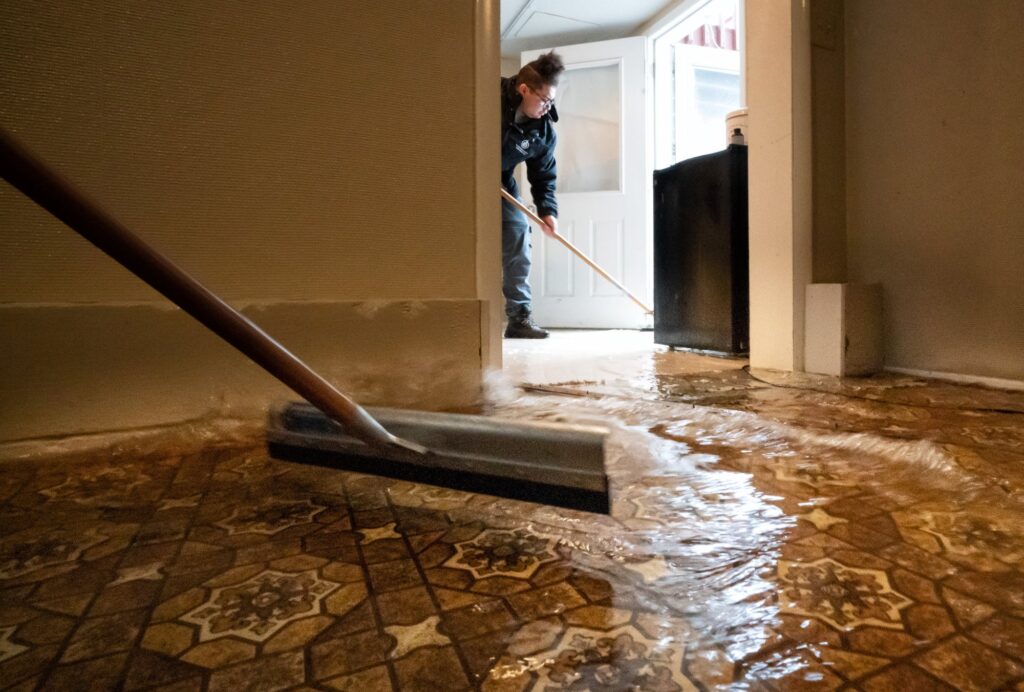
If rainwater enters your basement, act quickly. First, stay away from standing water if electrical equipment, outlets, or wiring may be affected. Do not enter contaminated water because it may contain harmful substances.
If it is safe to do so, identify where the water appears to be entering and stop the source if possible. Move unaffected belongings to a dry location without putting yourself at risk. Contact a professional water restoration company as soon as possible because fast action can help reduce structural damage and limit the opportunity for mold to develop.
Why Professional Water Restoration Matters
Water damage can extend beyond what is visible on the surface. Moisture may move behind walls, beneath flooring, under cabinets, or into insulation. Leaving hidden moisture untreated can create persistent odors, material deterioration, and mold concerns.
Professional restoration specialists use appropriate equipment to extract water, dry affected areas, identify moisture, and restore damaged portions of the property. For homeowners dealing with unexpected Basement Flooding, professional assistance can make the recovery process more organized and efficient.
How Spartan Water Restoration Can Help
When heavy rain causes water damage, homeowners need a restoration company that understands the urgency of the situation. Spartan Water Restoration can provide professional support when unwanted water enters your basement or other areas of your home.
From initial water removal to drying and restoration services, getting professional assistance quickly can help limit the impact of water damage. If your basement has experienced flooding after a storm, contact Spartan Water Restoration for an assessment and discuss the appropriate next steps for your property.
A Simple Rainy Season Prevention Routine
| Prevention Task | Suggested Timing |
|---|---|
| Inspect gutters | Before rainy season and after major storms |
| Check downspouts | Before rainy season |
| Test sump pump | Before heavy rain |
| Inspect foundation | Seasonally and after severe storms |
| Clean window wells | Regularly |
| Check yard drainage | After heavy rainfall |
| Inspect basement for moisture | Regularly |
| Review emergency supplies | Before storm season |
Common Signs That Your Basement Has a Moisture Problem
Not every basement water problem begins with a dramatic flood. Sometimes the earliest signs are subtle. A musty odor, damp wall, peeling paint, discolored flooring, condensation, or recurring water stains may indicate excessive moisture.
Pay attention to these warning signs instead of waiting for visible flooding. Early action can help homeowners identify drainage or foundation concerns while they are still manageable. Regular inspections are particularly valuable after periods of heavy rain.
Why Preventive Maintenance Saves Money
Preventing water damage is usually easier than restoring a heavily damaged basement. A blocked gutter, poorly positioned downspout, or failing sump pump can cause problems that spread quickly during a major storm.
Routine maintenance allows homeowners to discover smaller concerns before they become emergencies. Spending time on drainage, foundation inspections, and sump pump testing can provide valuable protection for your home and belongings. Professional inspections can also identify concerns that may not be obvious to an untrained homeowner.
Final Thoughts on Preventing Basement Flooding
The best way to reduce the risk of Basement Flooding is to prepare before heavy rain arrives. Clean gutters, functional downspouts, proper yard drainage, a reliable sump pump, sealed entry points, and regular foundation inspections all contribute to a stronger moisture prevention strategy.
Basement comfort also depends on appropriate Heating systems and suitable Home heating options, particularly when the basement is finished and used as living space. If you are considering Pellet stove installation, make sure the project is evaluated and completed by qualified professionals.
If your basement has already experienced water damage, do not wait for the problem to become worse. Contact Spartan Water Restoration for professional water damage assistance and take the first step toward getting your home dry, safe, and comfortable again.
Frequently Asked Questions
How can I prevent Basement Flooding during heavy rain?
Start by keeping gutters clean, directing downspouts away from the foundation, checking foundation cracks, maintaining proper yard drainage, and testing your sump pump before heavy rainfall. These steps can significantly reduce the risk of water entering your basement.
How often should I inspect my basement for water problems?
A basement should be checked regularly, especially before rainy seasons and after major storms. Look for water stains, damp areas, musty odors, cracks, condensation, and other signs that moisture may be entering the space.
Can a sump pump prevent basement flooding?
A properly functioning sump pump can help remove groundwater before it rises into the basement. However, it should be considered one part of a complete water management strategy that includes proper drainage, gutters, downspouts, and foundation maintenance.
Should I repair foundation cracks before the rainy season?
Yes. Visible cracks should be inspected and addressed appropriately before periods of heavy rain. Some cracks may be minor, while recurring water through a crack can indicate a larger moisture or foundation concern that requires professional evaluation.
What should I do if my basement floods after a storm?
Prioritize safety and avoid standing water if electrical hazards may be present. Once it is safe, contact a professional water restoration company promptly. Fast water removal and drying can help reduce additional damage and moisture related problems.
Can Heating systems help with basement moisture?
Heating systems can support a comfortable indoor environment and help maintain stable temperatures, but they do not replace waterproofing or drainage solutions. Basement water problems should be addressed at their source.
Is Pellet stove installation suitable for a basement?
A pellet stove may be suitable for some homes, but installation depends on ventilation, available space, clearances, fuel storage, and applicable requirements. A qualified professional should evaluate the basement before installation.
What are the best Home heating options for a finished basement?
The best option depends on the basement size, insulation, existing heating equipment, ventilation, and how frequently the space is used. A professional can help determine which heating solution fits the home and budget.
Can Spartan Water Restoration help after basement flooding?
Yes. If your basement has experienced water damage after heavy rain or another event, Spartan Water Restoration can provide professional restoration assistance. Prompt service can help remove standing water, dry affected areas, and begin the restoration process.
Protect Your Basement Before the Next Storm
Rainy season does not have to mean constant worry about water entering your home. Taking preventive action now can help protect your foundation, belongings, finished basement, and indoor environment. Inspect your drainage system, test your sump pump, maintain your gutters, and address signs of moisture before the next major storm.
If water has already entered your basement, professional help can make the recovery process faster and more manageable. Reach out to Spartan Water Restoration today to discuss your water damage concerns and get dependable support for restoring your home.